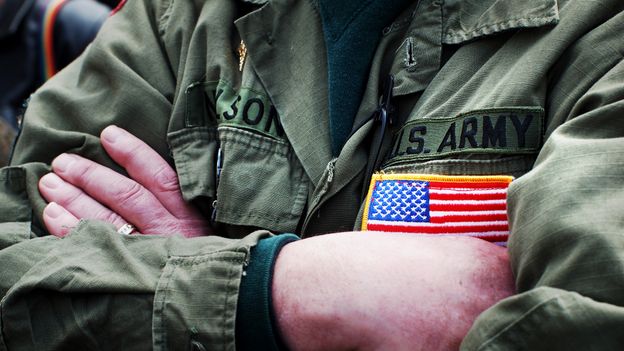
Stanford-monitored trials of ibogaine on 30 special forces veterans in Mexico showed significant PTSD symptom reduction, but mechanism remains unknown.
Key Takeaways
A 2024 Mexico trial (Stanford-monitored) gave 30 special-ops veterans up to 14mg/kg ibogaine; follow-up brain scans showed reduced PTSD-linked brainwaves one month later.
Ibogaine does not act primarily on 5-HT2A receptors like most psychedelics; it may work via kappa-opioid receptors and myelin restoration pathways.
A UC synthetic analog without hallucinogenic effects reduced alcohol and heroin-seeking in rats, suggesting the trip may not be required for therapeutic benefit.
Cardiac risk is real: participants required IV magnesium sulfate and continuous monitoring; cost and safety barriers make near-term mainstream approval unlikely.
Trump’s April 2026 executive order directs FDA to expedite psychedelic review and allocates $50M federal funding specifically for ibogaine research; Texas committed another $50M in 2025.
Hacker News Comment Review
Commenters flagged serious safety concerns: ibogaine has caused deaths even in supervised clinical trials due to direct cardiac interaction, making it a higher-risk candidate than other psychedelics in the pipeline.
Skepticism about evidence quality ran high: the Stanford TBI study is open-label with no control group and co-administered 5-MeO-DMT alongside ibogaine, making causal attribution nearly impossible.
Debate emerged over whether alternatives like Salvia divinorum or dextromethorphan (DXM) could replicate ibogaine’s receptor profile with lower risk; kappa-opioid agonism was cited as a complicating factor for Salvia.
Notable Comments
@Aurornis: Details ibogaine’s documented deaths even under clinical supervision and argues its cardiac mechanism makes it a poor medication candidate compared to other psychedelics.
@sriacha: Points to a 2026 PubMed study showing ibogaine reduced predicted brain age by 1.3 years at one-month follow-up, suggesting TBI benefits beyond PTSD.