Dick Costolo’s Scale-Up Playbook for Speed, Ownership, and Judgment
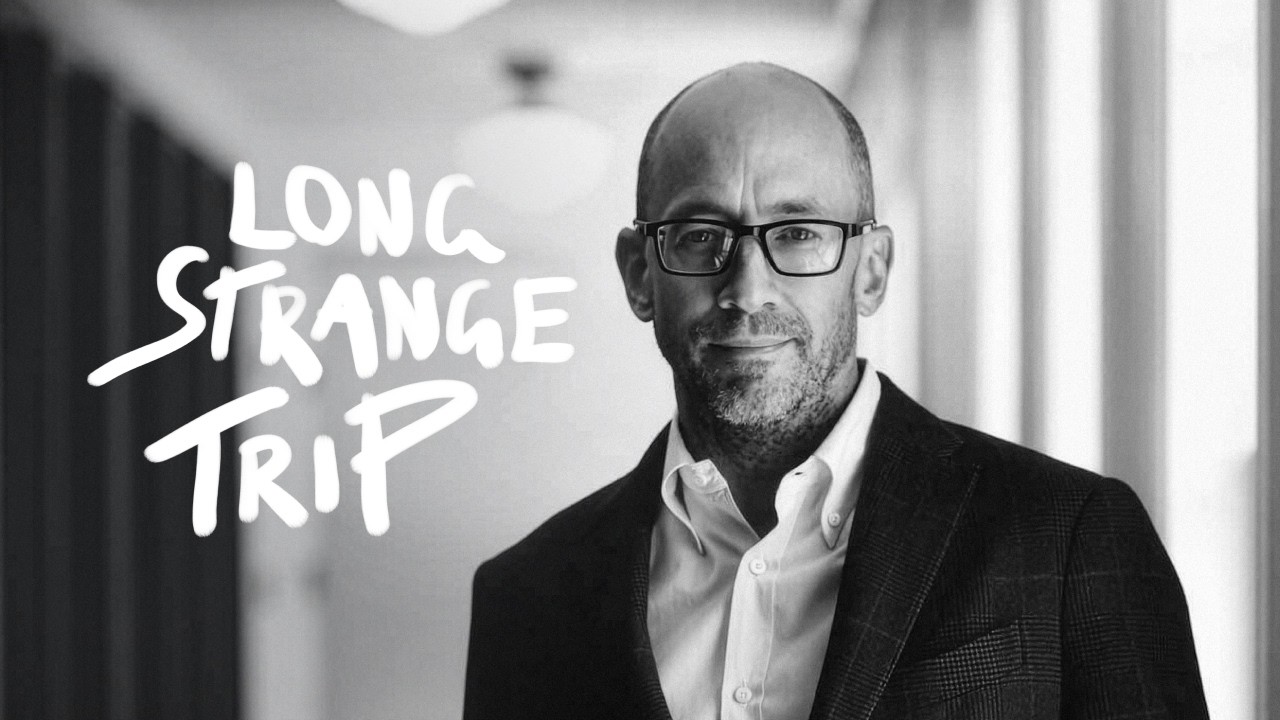
Published 2026-05-07 - Runtime about 67 min - Watch on YouTube
Dick Costolo’s Twitter playbook is simple and hard: replace group consensus with decision ownership, strip away ritualized process, and push judgment down the stack. The case matters now because many fast-growing teams are hitting the same scale-up failure mode Twitter hit: more people, slower execution, and more permission-seeking than shipping.
What Matters
- Twitter’s biggest early problem was decision latency: group discussions, board churn, and process produced a company that moved methodically instead of quickly.
- Costolo’s fix was “bias to yes”: only your direct manager can say no, except legal; every other team must stop acting as a gatekeeper.
- He replaced process with DRIs and span of control, arguing that companies should solve outages and mistakes with ownership, not 17-page launch checklists.
- He treated “Dick said” as a bug: managers were using his name to overrule teams, so he pushed decisions down the stack and made local judgment explicit.
- Communication scaled through repetition and context, not memos: managers had to ensure everyone understood priorities, why they mattered, and what success meant personally.
- His board advice is practical: bring in operating experience early, not just right before IPO; Peter Chernon and Peter Fenton were unusually useful because they were outside the daily churn.
- The biggest regret was Instagram: Twitter tried to buy it for about $700 million in stock and cash before Facebook did, and Costolo says that changed the competitive map.
- On public-company life, he would keep Twitter private longer if he could redo it; the daily ticker and quarterly pressure made long-term decisions harder than running private.