
Iran's 'Axis of Resistance': How the Proxy Network Actually Works
Watch on YouTube ↗ Summary based on the YouTube transcript and episode description.
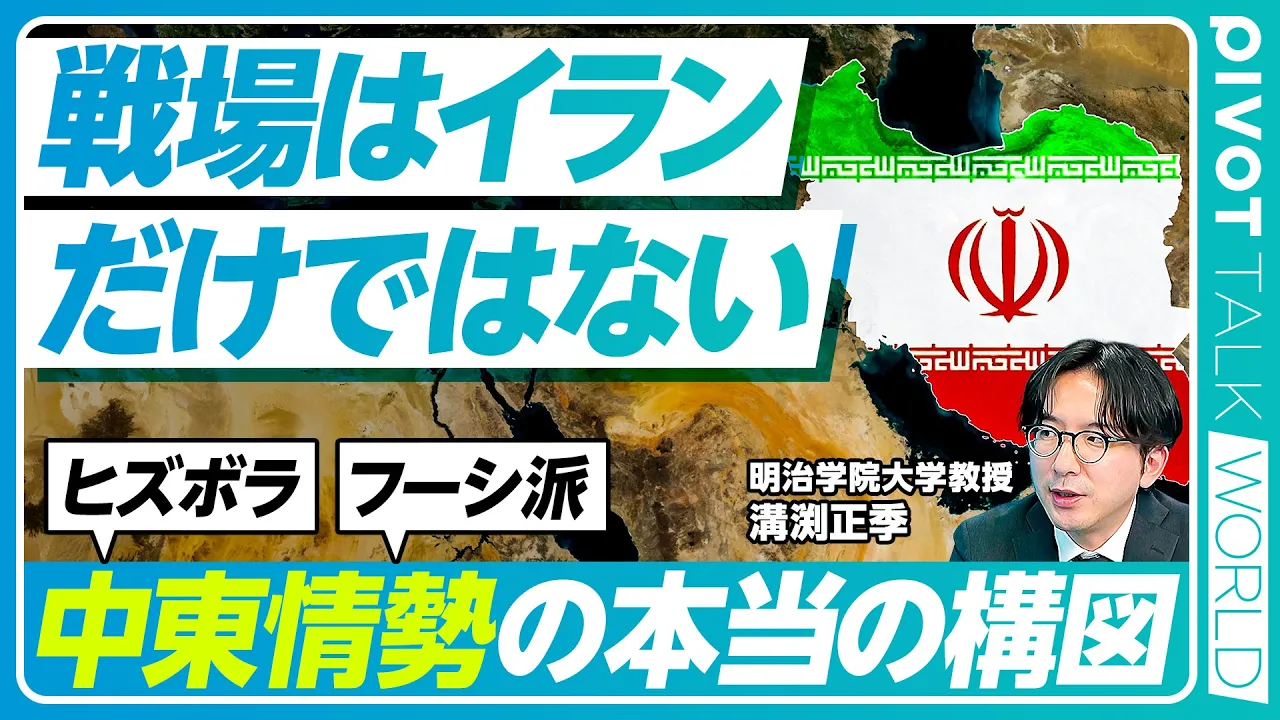
Masaki Mizobuchi, professor at Meiji Gakuin University, breaks down Iran’s asymmetric strategy across Hezbollah, Hamas, and the Houthis.
- Hezbollah was founded after Israel’s 1982 invasion of Lebanon and remains Iran’s closest proxy
- Iran’s asymmetric strategy rests on three pillars: nuclear development, ballistic missiles, and regional proxy support
- Hamas is a Sunni organization with limited ties to Iran; the relationship broke down temporarily during the 2014 Syrian civil war
- The October 2023 Hamas attack was neither directed nor desired by Iran
- Iran’s relationship with the Houthis spans only about 15 years, and Iran struggles to keep them in check — the concern being that once armed, they go too far
- Even if a US-Iran rapprochement were reached, Hezbollah would continue fighting Israel on its own strategic terms
- Israel’s long-held goal is the complete dismantlement of Hezbollah, with plans to establish a military buffer zone in southern Lebanon
2026-04-27 · Watch on YouTube
Japanese page: イランの代理勢力「抵抗の枢軸」の実態