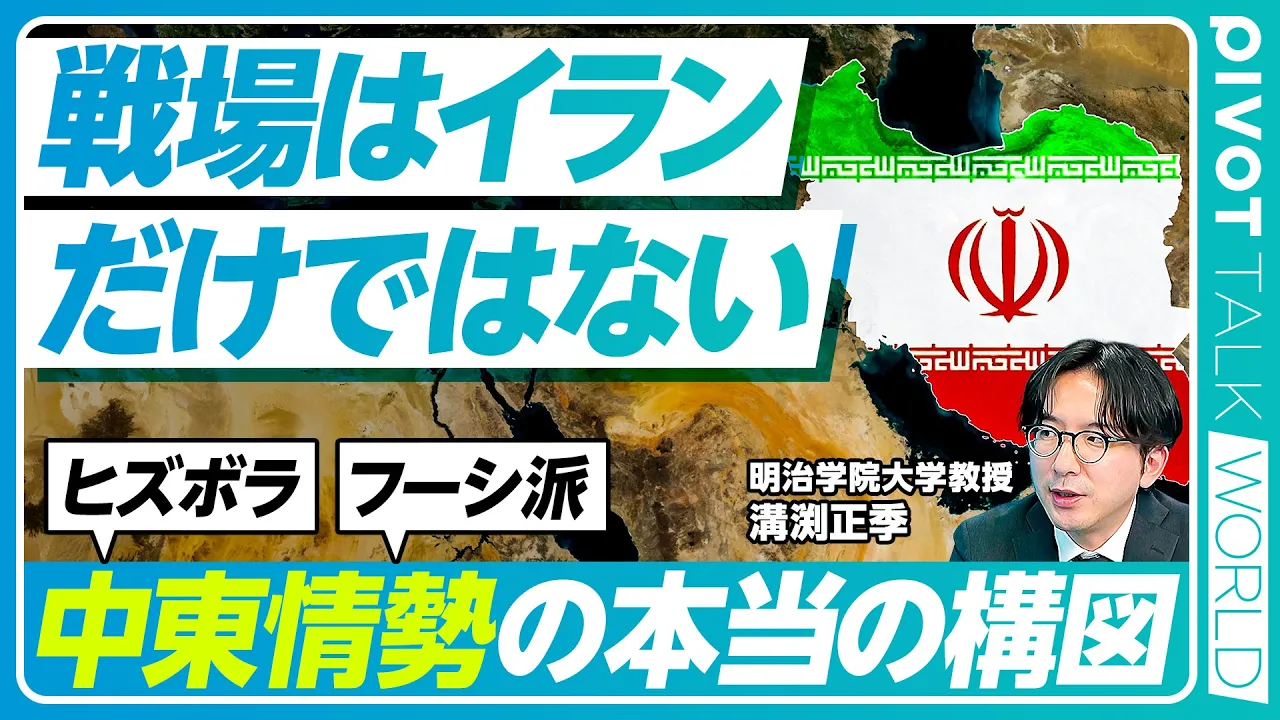
The Historical Structure of U.S. Middle East Strategy
Watch on YouTube ↗ Summary based on the YouTube transcript and episode description.
Meiji Gakuin University professor Masaki Mizobuchi explains the logic behind U.S. engagement in the Middle East through three pillars: oil, Israel, and containment.
- About half of the world’s proven oil reserves are concentrated in the Persian Gulf states
- Even after the U.S. became a net oil exporter, a Hormuz Strait closure would still hit American gasoline prices directly
- The Saudi “oil-for-security” exchange has been in place since just after World War II
- Following the 1967 Six-Day War, the U.S. began supplying Israel with advanced weapons and tacitly accepting its nuclear program
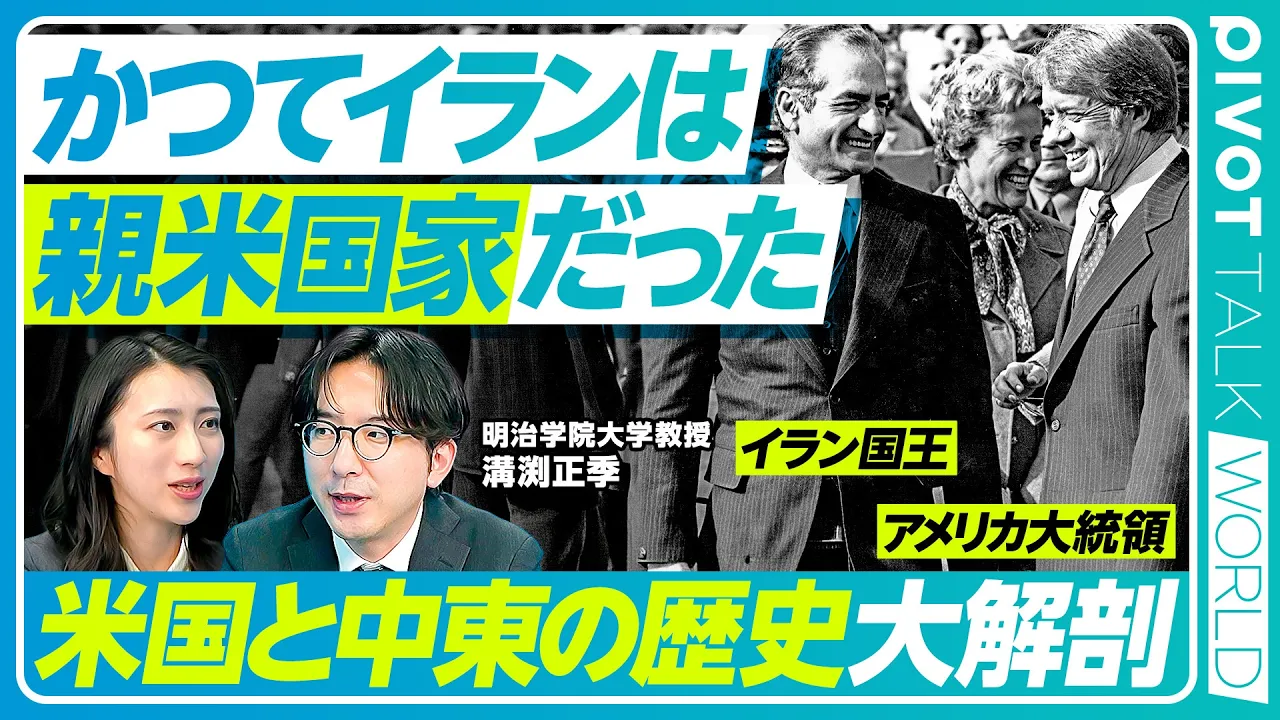
- Pahlavi-era Iran was a key U.S. ally until the 1979 revolution
- The Gulf War (1991) triggered a major expansion of U.S. military bases in Qatar, the UAE, and neighboring states
- Across administrations well before Trump, the U.S. treated international law and democratic norms as exceptions in the Middle East — the erosion of order has been continuous
2026-04-21 · Watch on YouTube
Japanese page: 米国中東戦略の歴史的構造