The Japanese Stock Revolution and Three Myths About Equities
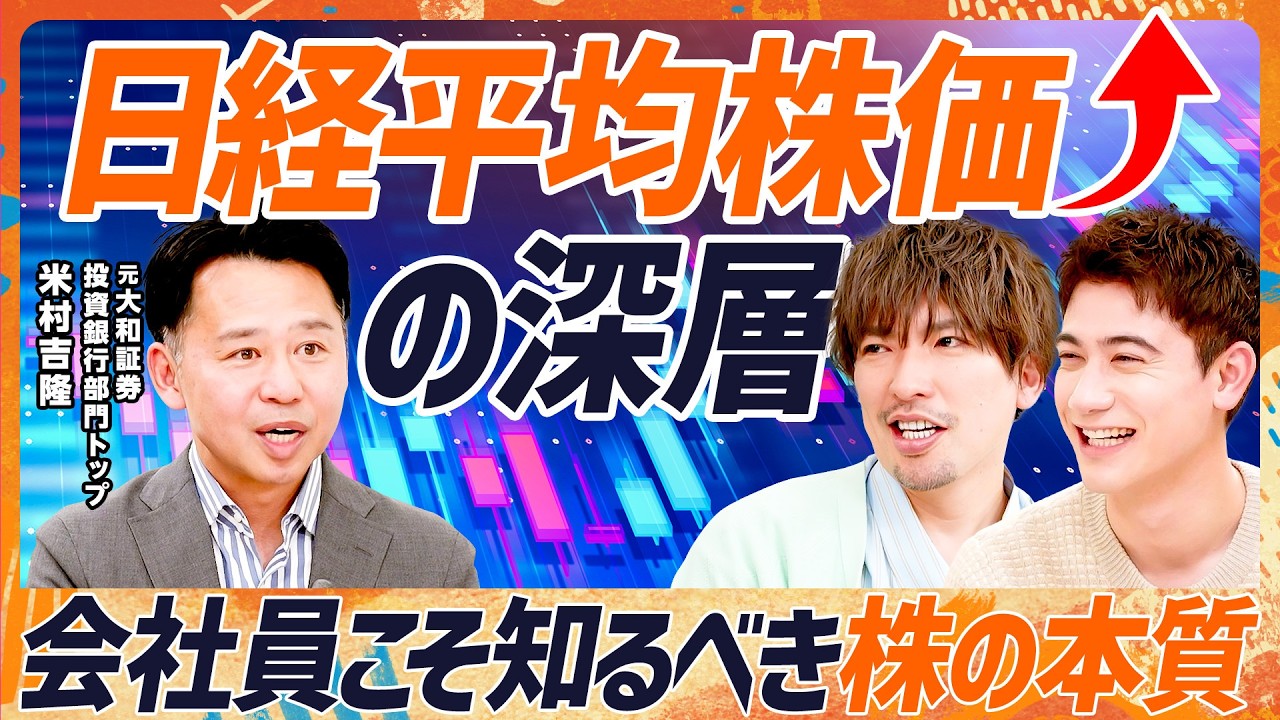
Watch on YouTube ↗ Summary based on the YouTube transcript and episode description.
Yoshitaka Yonemura, former head of Daiwa Securities’ investment banking division, breaks down the structural shift in Japan’s equity markets that accelerated in 2023 — and the misconceptions about stocks that persist inside Japanese companies.
- In 2023, the Tokyo Stock Exchange formally called on all listed companies to manage with an awareness of cost of capital and share price — this is the core of what Yonemura calls the revolution
- He argues that the Nikkei’s strong run over the past few years is rooted in this structural shift, not just macro tailwinds
- The groundwork was laid in 2014: the Ito Review (targeting 8% ROE), the Stewardship Code, and the Corporate Governance Code were introduced in quick succession
- Before that, cross-shareholdings gave companies a stable shareholder base of 20–50%, allowing management to ignore share price without consequence
- Myth one: stocks are gambling — Yonemura reframes shareholders as stakeholders who provide capital alongside management to solve real social problems
- Myth two: share price is an unreliable metric. Myth three: a flat stock price is fine. Both beliefs remain deeply entrenched inside Japanese corporations
- His core argument: the people who actually move the share price are not the executive team — they are every employee, through the results of their day-to-day work
2026-04-06 · Watch on YouTube
Japanese page: 日本株革命と株の3つの誤解