Claude Dispatch and the Power of Interfaces
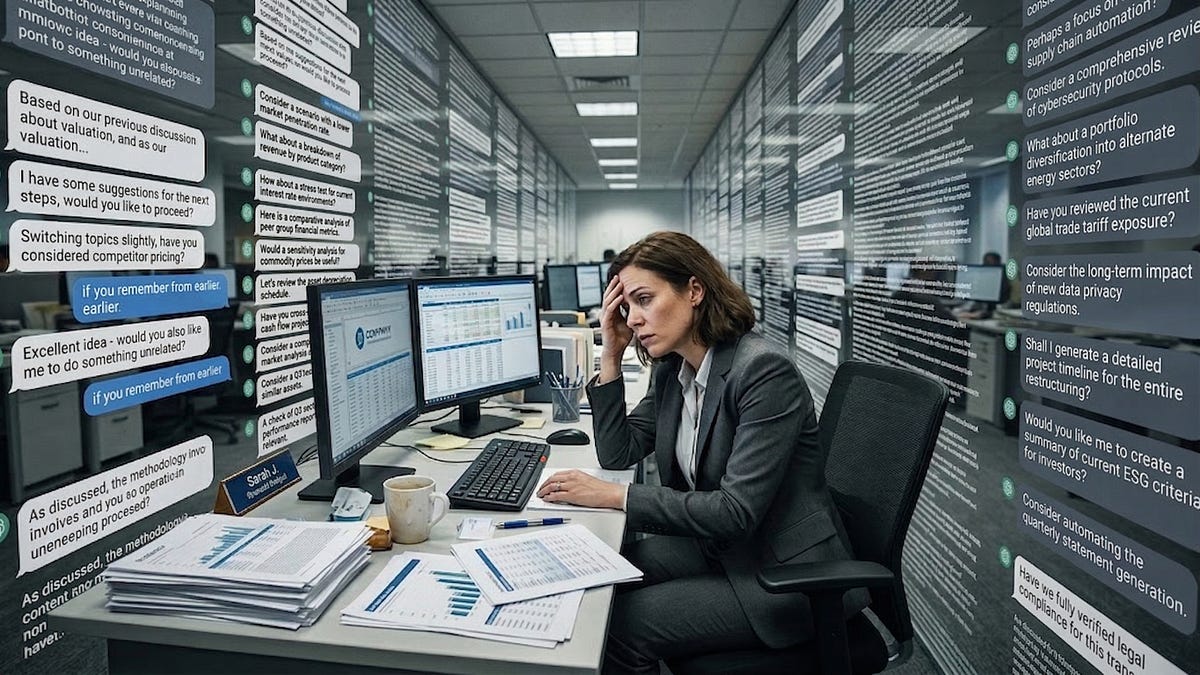
TLDR
- AI capability already exceeds what most users access because chatbot interfaces impose cognitive costs that offset productivity gains.
Key Takeaways
- A study of financial professionals using GPT-4o found productivity gains from AI were partially cancelled by cognitive overload from chatbot-style walls of text.
- Coding tools (Claude Code, OpenAI Codex) are the only fully realized specialized AI interfaces; they assume Python and Git knowledge, excluding most knowledge workers.
- Google’s Stitch, Pomelli, and NotebookLM are early experiments in profession-specific interfaces but lag behind coding tools in transformative impact.
- OpenClaw (red lobster logo), the fastest-growing open source project in history, succeeded by routing AI through WhatsApp/Telegram/Slack instead of a chatbot window.
- Anthropic’s Claude Cowork with Dispatch lets users message Claude from a phone while it operates desktop files and apps, including editing a PowerPoint graph from a linked paper.
Why It Matters
- The cognitive load tax is regressive: less experienced workers, who stand to gain most from AI, are hurt most by disorganized chatbot interfaces.
- Dynamic interface generation (Claude now produces interactive, adjustable visualizations inline) points toward AI building the right interface per task rather than one fixed shell.
- Much reported AI disappointment likely reflects interface failure, not model failure; closing the interface gap will feel like a capability leap even without model changes.
Ethan Mollick, One Useful Thing · 2026-03-31 · Read the original
