US CPI hit 3.8% in April 2026, highest since May 2023, driven by Strait of Hormuz closure spiking oil and gas prices.
Key Takeaways
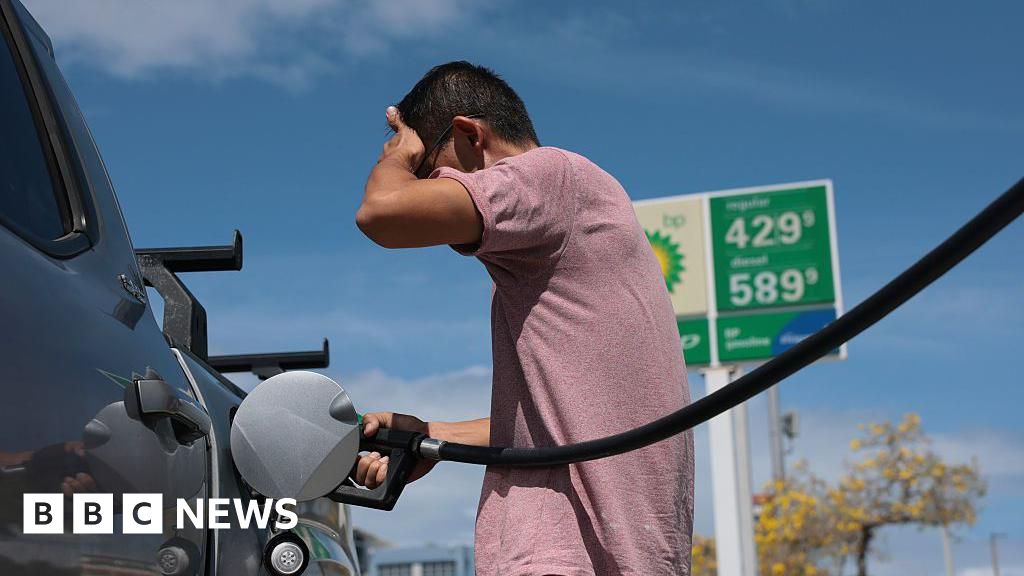
Almost half of April’s CPI rise came from energy; national unleaded gas average hit $4.50/gallon, highest since July 2022.
Real wage growth flipped negative: prices up 3.8% vs. average paycheck growth of only 3.6%.
Federal Reserve rate cuts in 2026 now seen as unlikely; incoming Fed chair Kevin Warsh may face pressure toward hikes, not cuts.
Housing and food costs contributed alongside energy; air fares and clothing rose while new car prices dipped slightly.
April marks the first time in three years that pay is no longer outpacing inflation, a direct hit to consumer purchasing power.
Hacker News Comment Review
Commenters broadly argue the official 3.8% understates lived experience; anecdotal grocery tracking shows milk up ~15% in three months at the same store, consistent with CPI basket criticism invoking Goodhart’s Law.
Debate around whether this is “core” or headline CPI: one commenter noted core ex-food-and-energy sits at 2.8%, meaning energy and food account for only 1 percentage point, though others felt the framing obscures real pain.
Strategic pessimism dominated geopolitical threads: commenters see no near-term resolution given US credibility loss in the region, Iran’s Chinese infrastructure backstop, and hardliner consolidation in Tehran making negotiation unlikely.
Notable Comments
@rdudek: Flags that real wages are down 0.5%, a data point absent from the main article framing.
@tencentshill: Notes US domestic oil producers profit directly from inflated prices while bearing no supply disruption, calling it a structural wealth transfer.