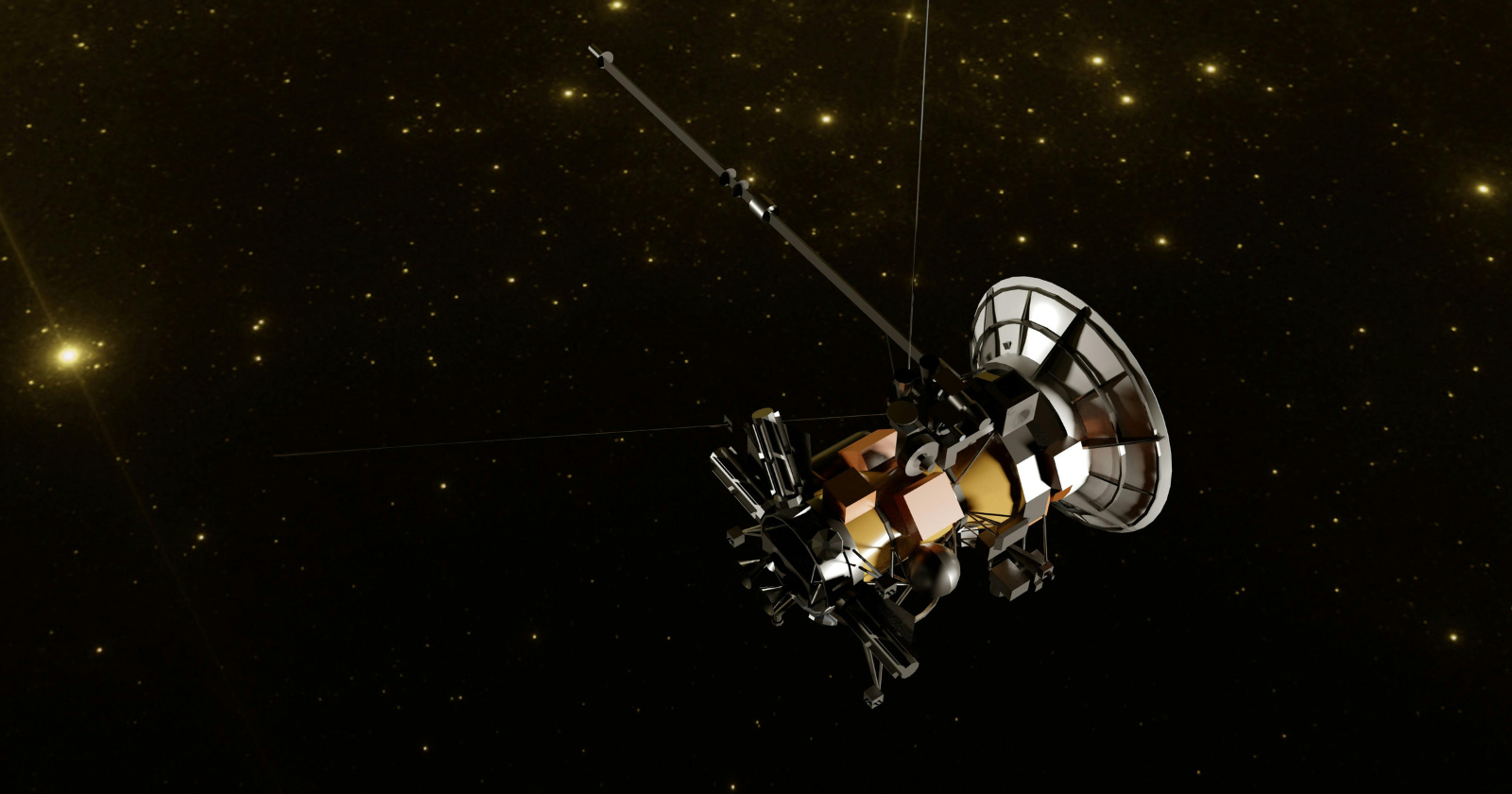
The real Voyager crisis is not unreadable code but fragmented institutional memory, lost paper documentation, and shrinking assembly-language expertise.
Key Takeaways
Voyager runs custom GE-processor assembly, not Fortran; Fortran is ground-side tooling. The “runs on Fortran” framing conflates onboard flight software with ground systems.
Total onboard memory across all three computer subsystems is roughly 64-70 KB. JPL compares operating it to flying an Apple II.
Original paper documentation was lost across office moves over 49 years. Suzy Dodd described recovery as an “archaeology dig.”
The “engineers in their 80s” framing is nine years stale. Larry Zottarelli, last original engineer, retired in 2016. Current flight team members are not that age cohort.
RTGs lose ~4W/year; instruments are being shut down one by one. Both spacecraft may stay within Deep Space Network range until ~2036.
Hacker News Comment Review
Commenters flagged a critical detail from the 2023-2024 FDS failure: the team cannot fully trust any simulator because ISA ambiguity exists between different CPU wiring revisions on the actual spacecraft.
The career-risk framing around recruitment resonated: skills learned are nearly non-transferable, and the mission has a defined endpoint, making it a hard sell against modern ML or systems roles.
LLM-assisted documentation recovery was raised speculatively, but no commenter cited actual JPL use of LLMs for this; it remains an open question.
Notable Comments
@rcxdude: Confirms no trusted simulator exists due to ISA ambiguity between CPU wiring revisions, forcing extreme caution in every patch.