
Light without electricity? Glowing algae could make it possible
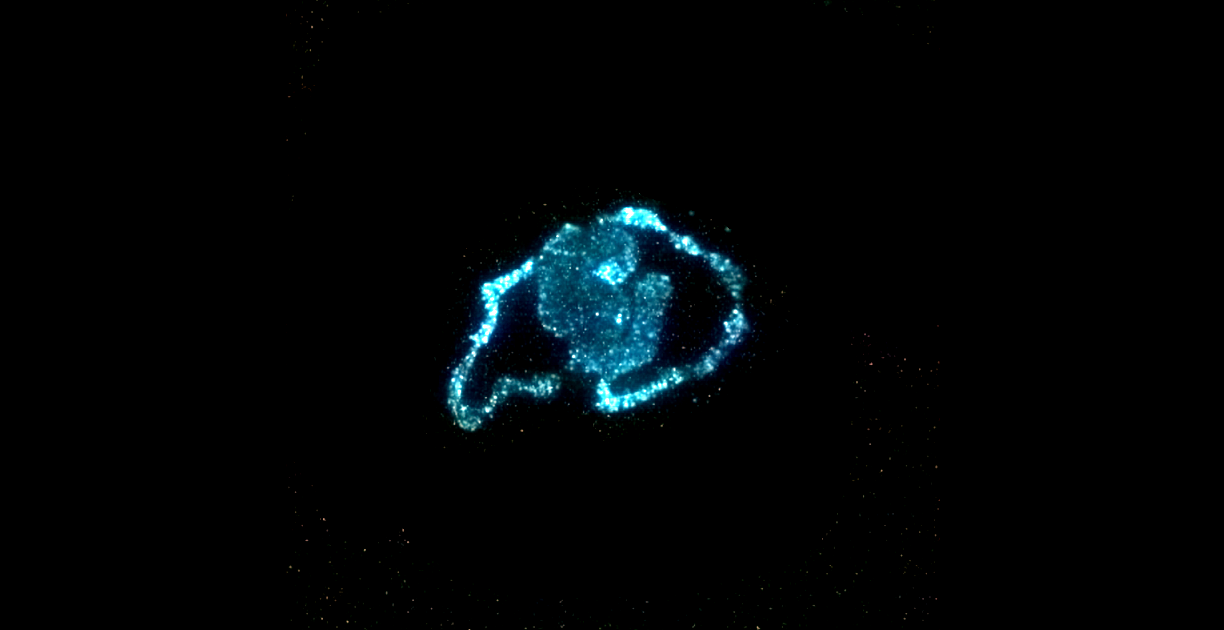
CU Boulder embedded living bioluminescent algae (Pyrocystis lunula) into 3D-printable hydrogels, keeping them lit for weeks—no batteries, no toxic chemicals.
What Matters
- Acidic solution (pH 4) triggers sustained luminescence in P. lunula for up to 25 minutes, vs. milliseconds in nature.
- Algae in 3D-printed hydrogel structures retained 75% brightness after four weeks in acidic conditions.
- Basic solution (pH 10) also activates light but produces diffuse, shorter-lived glow—acidic wins for applications.
- Published May 6 in Science Advances; lead researcher Wil Srubar (Civil, Environmental and Architectural Engineering, CU Boulder).
- Target applications: battery-free lighting for autonomous deep-sea/space robots and toxin-detecting water quality sensors.
- Carbon-negative angle: P. lunula is photosynthetic, sequestering carbon while producing light—inverse of conventional electric lighting.
- Next research phase tests whether other chemicals trigger response, which would enable selective chemical sensing.
