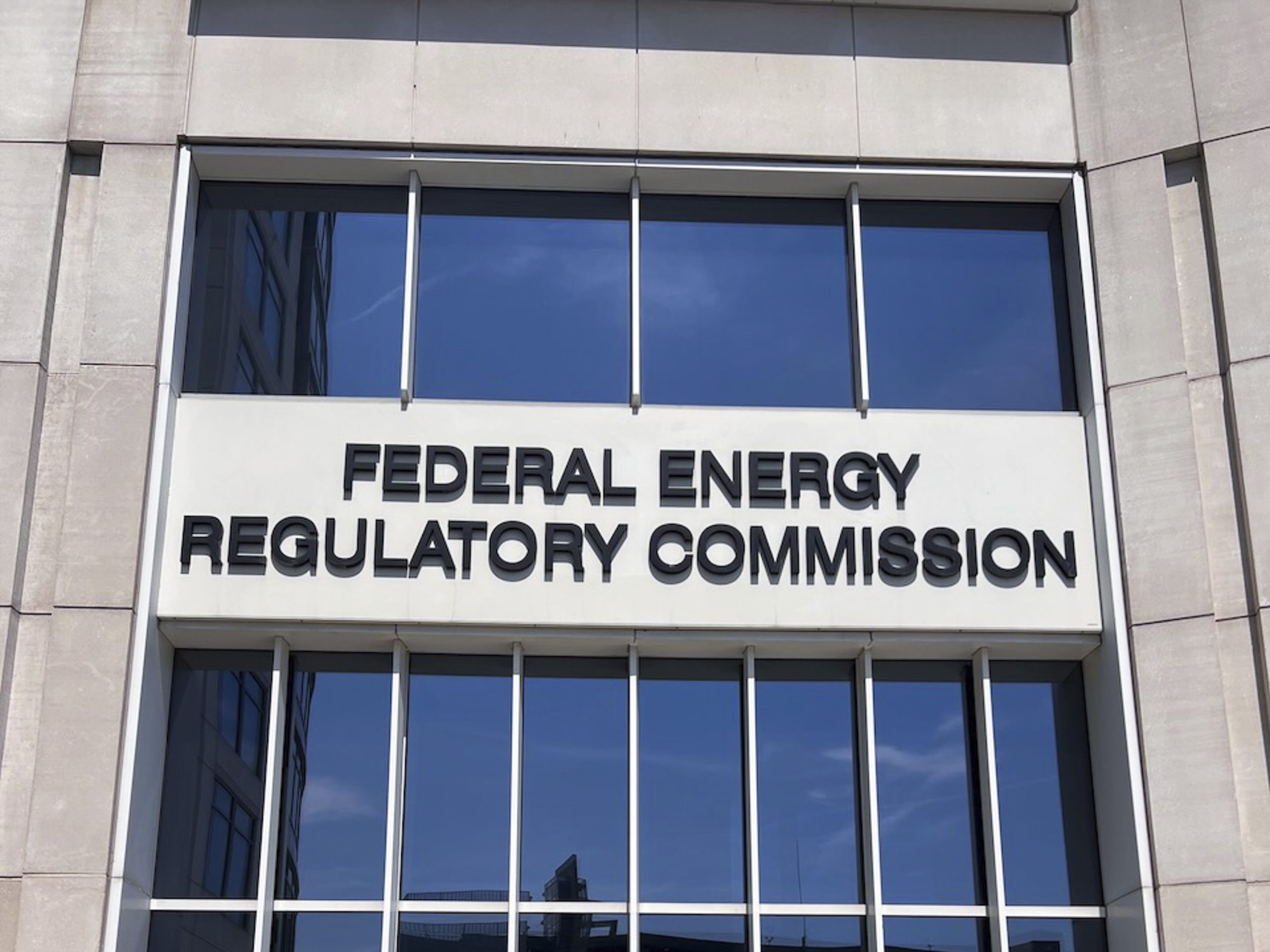
FERC fined American Efficient $722M and ordered $410M in disgorgement for allegedly gaming PJM capacity auctions using fabricated energy savings from retail appliance sales data.
Key Takeaways
Business model: buy sales data and “environmental attributes” from retailers like Lowe’s and Home Depot, then bid projected energy savings into capacity auctions as if they were real demand reductions.
FERC found the retailer micropayments (e.g., $0.15 on a $10,619 refrigerator) too small to influence retailer behavior, and contracts required no proof of actual demand reduction.
Grid operators paid American Efficient over $500M over 12 years; ratepayers funded those payments through utility bills.
Criminal referral to DOJ issued by a Trump-appointed commissioner; penalty collection still requires FERC to re-litigate in federal district court.
Two pending Supreme Court cases on FCC penalty procedures could affect FERC’s ability to assess penalties without a jury trial, giving American Efficient a potential constitutional lifeline.
Hacker News Comment Review
Commenters flagged that Home Depot itself may be implicated for selling environmental attributes it had no right to transfer without consumer contracts, a detail the article underplays.
The broader market design issue noted: capacity auction rules allowed bidding projected savings without requiring proof of causation, which commenters see as a systemic loophole, not just one company’s fraud.
Notable Comments
@skew-aberration: argues Home Depot’s role in selling non-transferable environmental attributes is the buried lede and implies retailer liability.
@ChuckMcM: frames this as “buying and selling not using electricity” and links Matt Levine’s Bloomberg analysis for deeper market mechanics context.