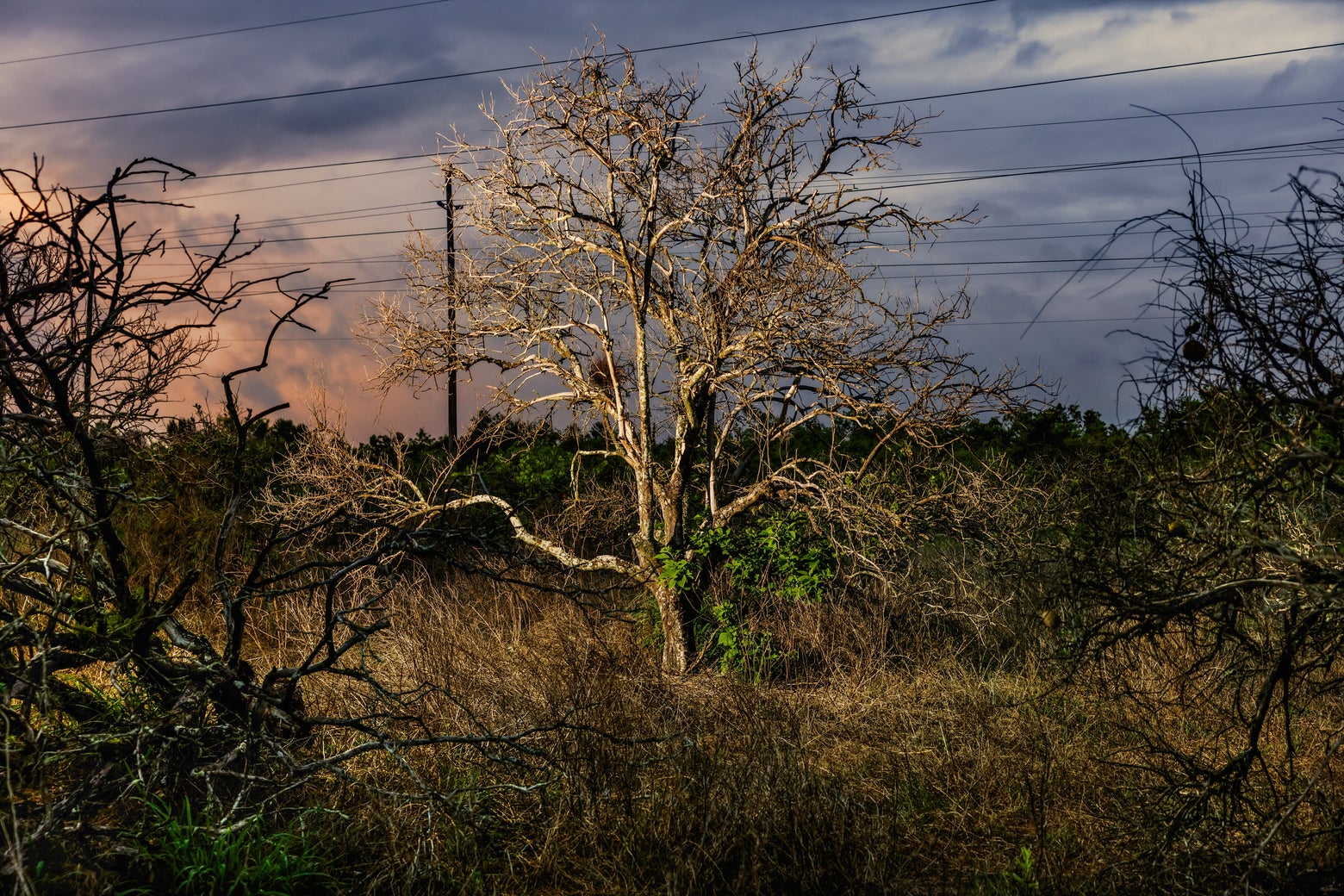
Florida orange production collapsed 95% since 2003 as Huanglongbing (HLB) citrus greening disease, now present in 100% of trees, has no cure and no short-term fix.
Key Takeaways
Asian citrus psyllid arrived near Port of Miami ~1998, HLB detected 2005; by 2026 every Florida citrus tree carries the infection.
USDA forecast: 12 million boxes in 2026, down from 242 million in 2003; industry insiders expect the real number is lower.
Oxytetracycline (OTC) antibiotic trunk injections suppress HLB symptoms for a few months but are expensive and not a cure; tree-steaming failed before this.
A GMO disease-resistant citrus tree is in lab development but realistically 10 to 18 years from commercial planting scale.
Minute Maid (Coca-Cola) sourced 80% of its OJ from Florida three to four years ago; now 20%, showing the supply chain has already restructured around the collapse.
Hacker News Comment Review
Commenters immediately reached for the Gros Michel banana monoculture collapse as the clearest parallel: near-total loss of a single-variety staple crop to a pathogen with no practical cure at scale.
A recurring systems-thinking thread asked whether heavy pesticide regimes accelerated HLB spread, and whether a total grove clearcut followed by a multi-year fallow could starve out the psyllid vector before replanting.
The invasive-species irony landed hard: oranges themselves are a Spanish-introduced Chinese transplant, now being wiped out by another organism that traveled the same trade routes.
Notable Comments
@markbnj: flags John McPhee’s book Oranges (expanded from his 1966 New Yorker piece) as the canonical deep-dive for anyone wanting pre-HLB industry history.
@leke: raises the practical question of whether Chinese-origin citrus varieties carry HLB resistance, since the pathogen and the fruit share the same geographic source.
@eth0up: notes Polk County alone once out-produced the entire state of California, putting the scale of the collapse in concrete regional terms.