Keith Rabois on talent density, barrels, and AI-era company building
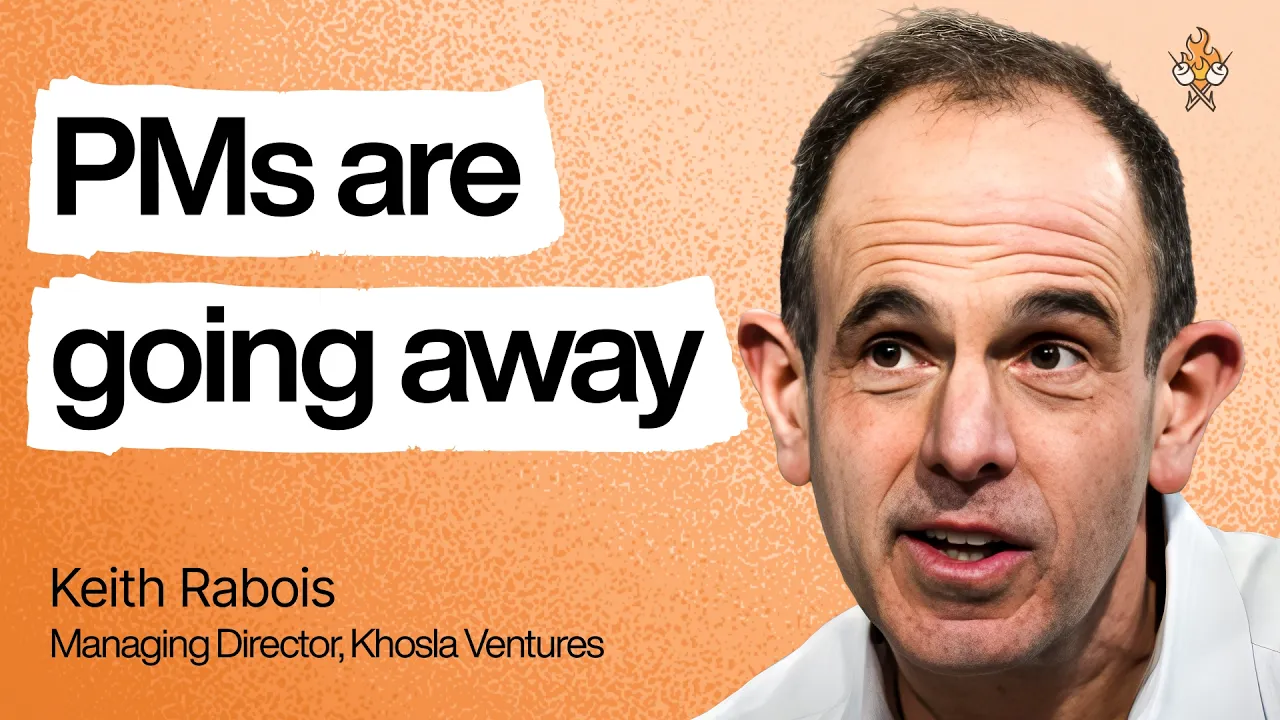
Published 2026-04-12 - Runtime about 83 min - Watch on YouTube
TLDR
- Keith Rabois says team quality determines company quality, and the real hiring edge is ruthless talent judgment, not long interview loops.
- He argues AI-era winners move faster by developing barrels internally, compressing product design and code, and using token-heavy work at the CMO level.
Key Takeaways
- Rabois uses a barrels vs. ammunition framework: a barrel is someone who can take an outcome, marshal people and resources, and deliver it.
- He says Tony Xu at DoorDash does 20 references for every senior hire, and Great hiring depends on asking the right question, not just more questions.
- For senior candidates, he asks what they would have done differently if they were CEO, to test strategic judgment and value creation.
- He says the best AI-era companies, including Ramp and Trade Republic, mostly promote from within instead of hiring many senior outsiders.
- He believes psychological safety is overrated in high-performance teams; winning matters more than protecting feelings.
Notes
- Rabois says he has not touched a computer since September 2010 and does everything from an iPad, phone, or watch.
- Vinod Khosla told him at Square that the team you build is the company you build.
- He traces PayPal’s advantage to Peter Thiel and Max Levchin concentrating unusually dense talent, which then spread through many later startups.
- Early in his career, Rabois was mediocre at hiring strangers, but good at identifying people he already knew inside PayPal.
- David Sacks told him he would not get promoted until 1 plus 1 equaled 3 or more through leadership leverage.
- He learned to recruit from within PayPal, moving talented colleagues onto his team and proving he could identify talent with context.
- On references, he says the question matters: asking whether Max Rhodes was a good employee was the wrong frame; asking whether he could be a world-class entrepreneur was the right one.
- His senior-candidate question is: if you were CEO of this company, what would you have done differently?
- He says the key startup lens is accumulating advantages over time, not just network effects, and asks whether a business can become easier and easier to run.
- He cites Ramp’s speed as a signal: shipping cards in about 3 months versus the typical 9 to 12 months in financial services.
- He says the best companies often avoid senior outside hires, instead using chief of staff roles and internal osmosis to grow future leaders.
- He rejects retros that over-focus on failure when a company is already doing well, because they can discourage ambitious shots on goal.
