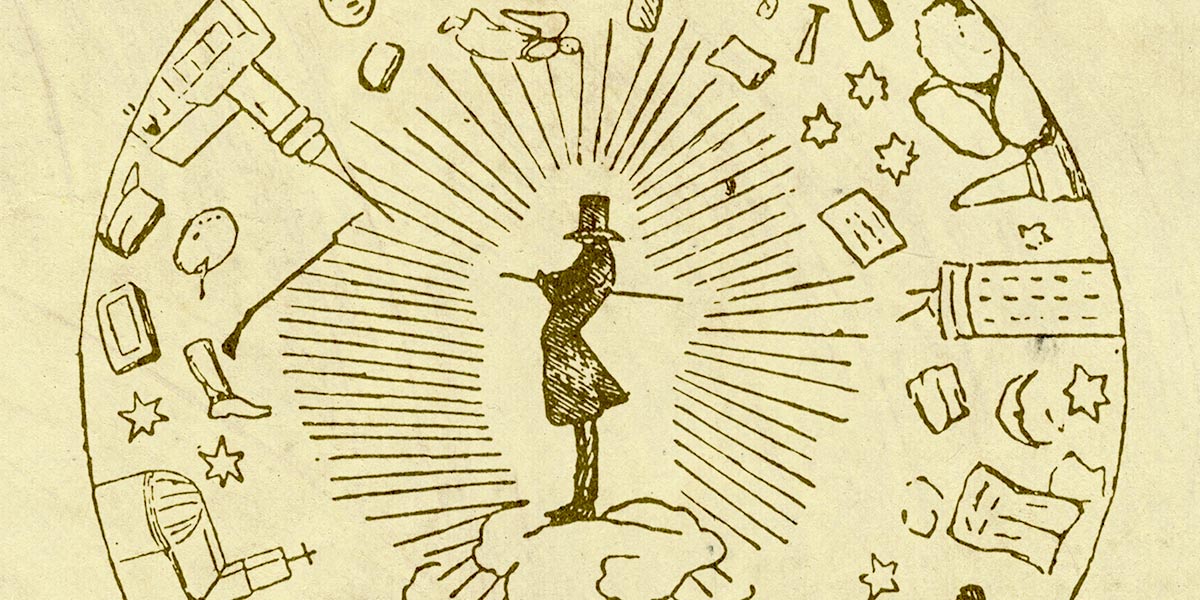
In 1846 Copenhagen, Kierkegaard deliberately provoked satirical magazine The Corsair, triggering months of personal ridicule that shaped his diagnosis of crowd psychology and modern public opinion.
Key Takeaways
Kierkegaard publicly exposed critic Peder Ludvig Møller’s hidden ties to The Corsair, destroying Møller’s reputation but inviting relentless personal attacks on himself.
The Corsair ran caricatures mocking his crooked spine, his broken engagement to Regine Olsen, and his wardrobe; “Søren” became street slang.
What hurt most was not the ridicule but the silence of friends who feared becoming targets themselves.
Kierkegaard responded by writing Two Ages / The Present Age, diagnosing “the age of advertisement and publicity” where collective envy levels genuine distinction.
His concept of the leveling crowd – opinion requiring 25 signatures, identity dependent on phantom audiences – maps directly onto algorithmic outrage and virtue-signaling dynamics.
Hacker News Comment Review
Commenters dispute the “cancelled” framing; one argues the episode is better read as a deliberate feud or content-creator beef, not a passive cancellation.
A thread briefly confused Søren Kierkegaard with Emil Kirkegaard, corrected quickly, adding no substantive analysis.
Notable Comments
@tokai: “A modern analogy would be a feud or beef between content creators” – pushes back on the cancellation framing directly.