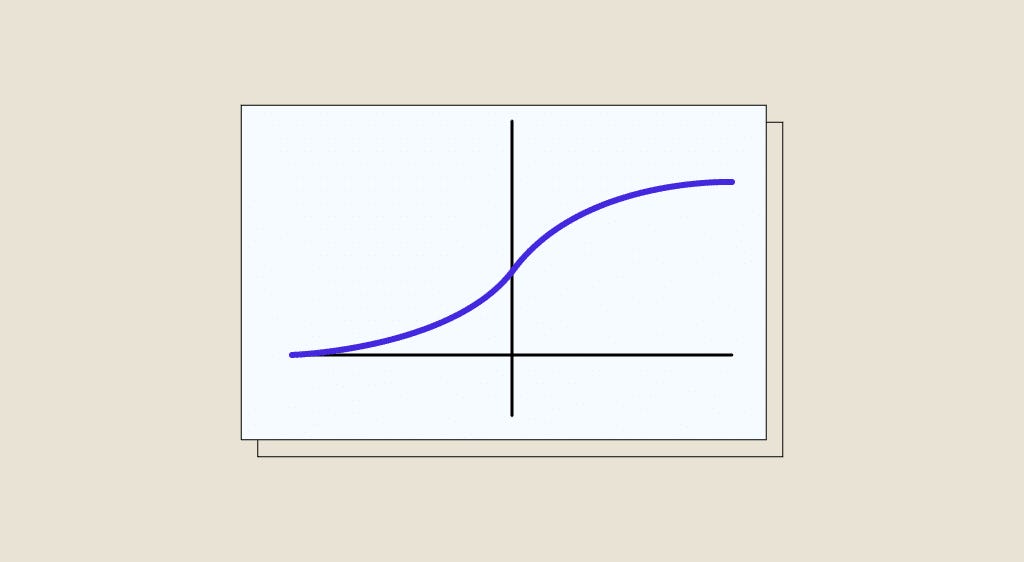
Dismissing AI capability growth with “all exponentials become sigmoids” is statistically weak unless you can model when and why the inflection occurs.
Key Takeaways
The sigmoid rebuttal is only valid if you specify a mechanism; UN birthrate forecasters, WEO solar projections, and the Wharton METR curve all called the inflection too early.
Lindy’s Law is the correct default under true ignorance: a trend should be expected to continue roughly as long as it already has.
AI scaling has run since roughly 2017-2019; applying Lindy naively gives a median of ~7 more years, with only a 22% chance of flattening within 2 years.
Explicit-model critics must account for data center growth projections, algorithmic progress rates, and the AI Futures Timeline Model before claiming the sigmoid is imminent.
Fundamental limits do exist (ramjets plateau at ~3500 km/h; epidemics saturate susceptible populations), but timing them requires understanding the underlying generative process.
Hacker News Comment Review
Commenters broadly agreed on epistemic humility but split on what follows: wide uncertainty means you must take tail risk seriously, not that you can dismiss exponential continuation.
Skeptics pushed back on Lindy’s Law applicability here: observation frequency of a trend correlates with lifecycle stage, which can bias the baseline and break the geyser analogy.
The author’s disclosed prior (personal AGI timeline bet) drew scrutiny; commenters noted the piece is structurally motivated reasoning toward “trend continues,” not a neutral Bayesian exercise.
Notable Comments
@stymaar: Nvidia datacenter revenue 15x in 3 years; no one prices in another 3x run, which itself implies market-implied sigmoid near-term.
@LarsDu88: Moore’s law sigmoid may paradoxically extend AI scaling because current model silicon implementations are still highly inefficient with room to optimize.