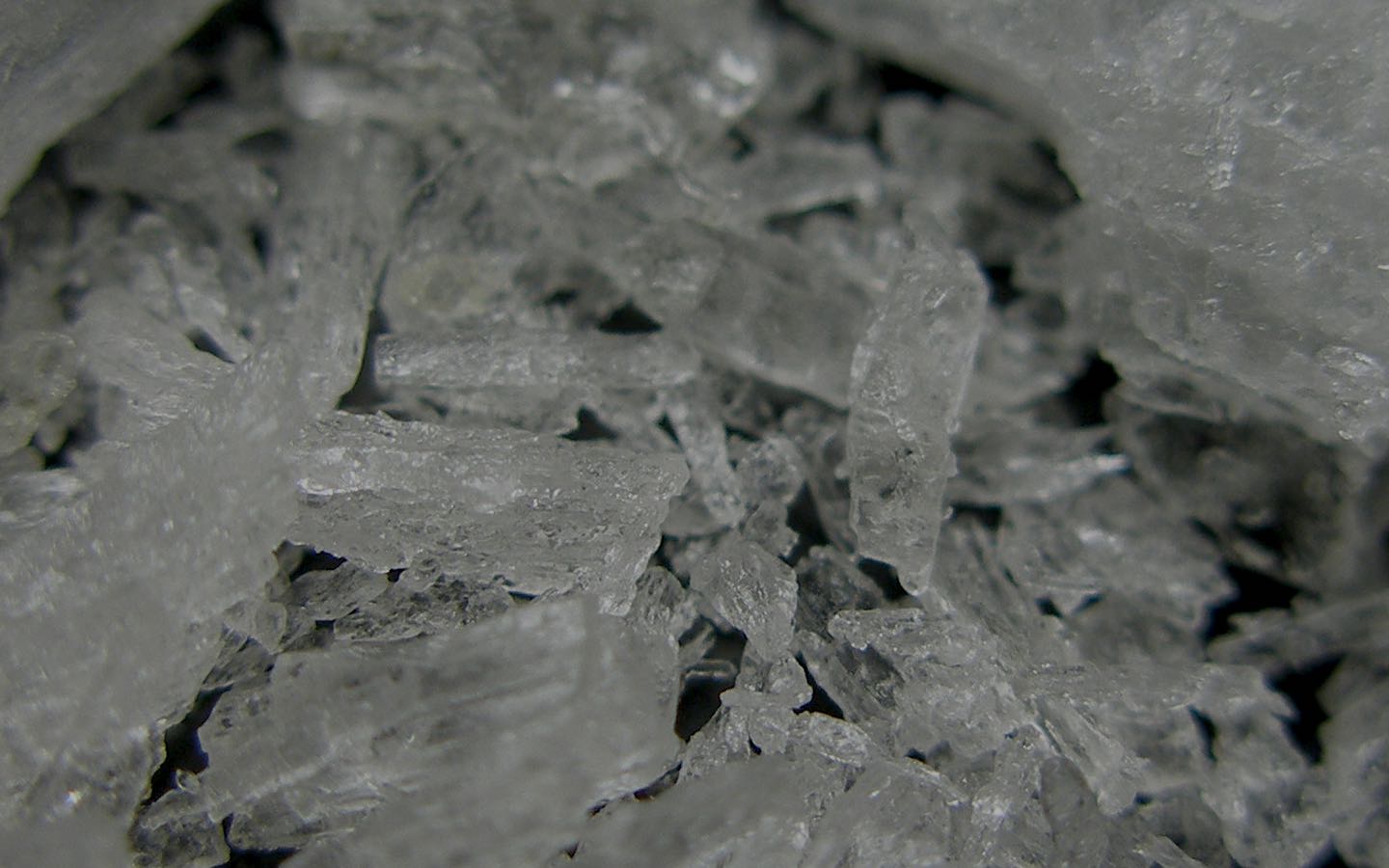
P2P synthesis replaced ephedrine-based meth after 2009, producing purer, cheaper meth in far greater quantities, not a chemically novel drug.
Key Takeaways
DEA data shows P2P synthesis displaced ephedrine-based meth between 2009-2012 after the US (2006) and Mexico (2008) restricted pseudoephedrine sales.
Early P2P meth contained l-methamphetamine (inactive isomer), but by 2019 street meth was nearly pure d-meth, around 95% on average.
Lead acetate contamination theory fails: NTS synthesis displaced PAA (the lead acetate route) from 2014-2018, with no matching schizophrenia timeline correlation.
Heavy meth users tripled between 2015-2019; seizures, sewage biomarker data (Seattle doubled in 2017), and prices all confirm a supply explosion.
Meth overdose deaths hit 24,076 in 2020, with meth now killing at half the rate of car accidents, often combined with fentanyl.
Hacker News Comment Review
Commenters broadly agree the behavioral shift (isolation, paranoia) is more plausibly explained by volume and addiction severity than by isomer ratios or contaminants, mirroring the article’s conclusion.
Several commenters noted ephedrine-to-P2P as a classic iron law of prohibition: restricting pseudoephedrine pushed production to cartels using multi-step synthesis routes, raising contamination risk even if average purity rose.
The lack of pharmacological treatment for meth addiction, combined with city-level decisions around 2010 to stop prosecuting low-level possession, were flagged as compounding the overdose and homelessness crisis.
Notable Comments
@keepamovin: Argues the single-step ephedrine reduction is cleaner; multi-step P2P routes increase chances of toxic solvents or contaminants persisting, and favors regulated access over prohibition.
@RajT88: Notes meth purity data closely tracks the Breaking Bad broadcast window, an unexpected cultural data point.