HBM demand from AI datacenter buildout is squeezing consumer RAM/SSD supply, pushing device makers to cut specs, raise prices, or both.
Key Takeaways
SK Hynix, Samsung, and Micron are prioritizing HBM for AI infrastructure, shrinking supply available for consumer DRAM and LPDDR5X.
Pixel 11 Pro Fold is rumored to drop from 16GB to 12GB RAM; Motorola Razr 2026 raised price $100 while halving base storage to 128GB.
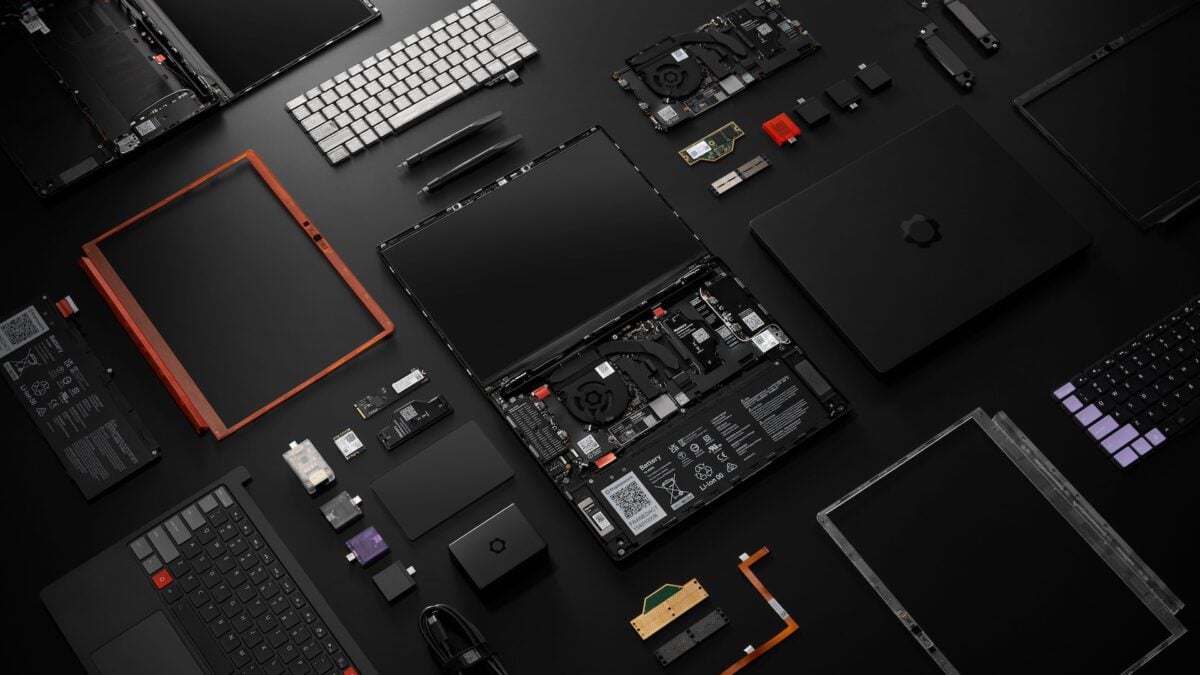
Framework laptop RAM modules have seen repeated price hikes; the RTX 5070 12GB mobile module costs $500 more than the 8GB variant.
ASRock’s DUDIMM DDR5 offers half the bandwidth of standard DDR5 to keep prices accessible on Intel 600/700/800-series boards.
DDR6 (up to 8.4 Gbps) is in development but won’t ship before 2028; manufacturers signal no DRAM price relief for two or more years.
Hacker News Comment Review
Commenters disputed the “shrinkflation” framing: the RAM spike is a demand-shock on a single COGS line item driven by AI HBM procurement, not broad cost-push inflation across all inputs.
One commenter corrected the Apple Mac mini example in the article, noting the next storage tier is available at the same price point, not a net price increase.
Lenovo Legion 2026 laptops were cited as a real-world case where year-over-year performance regressed and prices rose simultaneously, consistent with the article’s thesis regardless of terminology.
Notable Comments
@dangus: Notes Lenovo Legion 2026 performs worse than 2025 models at higher cost with cut build quality, and flags Apple’s apparent immunity suggesting multi-year memory contracts.
@Qem: “Wait until Shrinkflation meets AIflation” – flags compounding risk as AI replaces human-mediated services with error-prone systems and no recourse.