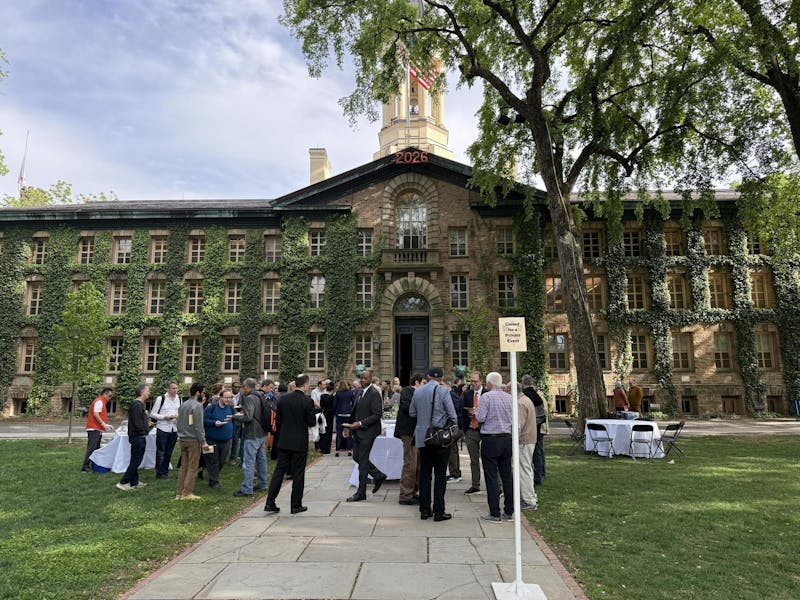
Princeton faculty voted nearly unanimously to require instructor supervision for all in-person exams starting July 1, ending a 133-year unproctored honor system.
Key Takeaways
AI tools on personal devices changed the visible signature of cheating, making peer reporting unreliable since violations are no longer observable by neighboring students.
29.9% of Princeton seniors self-reported cheating; 44.6% knew of violations and stayed silent; only 0.4% ever reported a peer.
Instructors serve as passive witnesses only – they document and report to the student-run Honor Committee but are instructed not to interfere during exams.
Anonymous reporting had already been rising due to fear of doxxing or social-media shaming, signaling the peer-accountability model was eroding before this vote.
The Honor Code, Honor Committee Constitution, and adjudication process remain intact; only Rules and Procedures of the Faculty and Rights, Rules, Responsibilities require textual revision.
Hacker News Comment Review
Commenters split on root cause: AI-enabled cheating (multimodal models like Gemini making full-exam uploads trivial) versus a broader cultural shift from high-trust to low-trust institutions, with some pointing to grade inflation as a compounding factor.
Several current and former Princeton TAs confirmed the unproctored system was real and taken seriously by students, but noted the bureaucratic Honor Committee process could be punishing even for trivial accusations, undermining trust in the system from both sides.
A recurring counterargument: the honor-code model had intrinsic value as a moral forcing function – removing proctoring made every student personally accountable, and that reckoning may have been pedagogically worthwhile.
Notable Comments
@wps: Witnessed classmates photographing entire exams mid-test and uploading to Gemini in real time; argues devices must be confiscated, not just proctors added.
@JumpCrisscross: “Unproctored exams force every student to weigh the value of their honor against a better grade” – frames removal as loss of a deliberate moral reckoning.