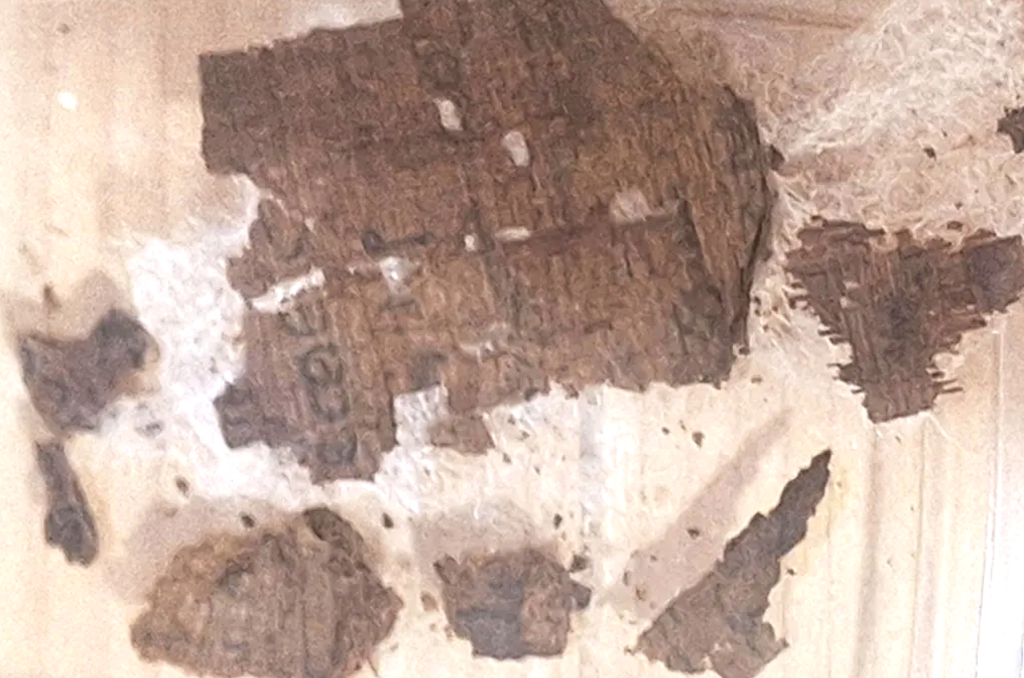
ML classifier (AUC 0.81) applied to 107,875 pre-Sputnik photographic plates finds artifact-corrected transient counts still correlate with Earth’s shadow and nuclear test windows.
Key Takeaways
Model trained on 250 expert-labeled transient image pairs (real vs. plate defect); sensitivity and specificity both 0.71 at deployment scale.
After ML artifact filtering, transient counts remain elevated within ±1 day of nuclear tests (p=0.024); highest-probability transients show p<0.0001.
Shadow deficit – fewer transients when the observation site is in Earth’s shadow – strengthens as transient probability rises (p<0.0001; gap vs. lower-probability transients p=0.003).
The two independent statistical signals (nuclear window + shadow deficit) both survive artifact correction, which is the core methodological advance over prior pipeline-only work.
Dataset is historical observatory photographic plates predating Sputnik, making satellite contamination a non-issue by construction.
Hacker News Comment Review
Dominant skeptical read: the nuclear window correlation is explained by the tests themselves – film exposed to high-energy radiation or luminous particles from the blasts – not unknown objects; commenters note plates were often outside protective housing during imaging sessions.
The shadow deficit cuts against a pure radiation-artifact story and invites a reflective-debris hypothesis (sunlit objects above the atmosphere), but commenters point out spy planes like the B-47 and nuclear-test debris are mundane candidates that fit the geometry.
Credibility concerns centered on the lead author’s background (anesthesiology, not astrophysics), though Beatriz Villarroel – the recognized researcher on this dataset – has consistently framed results as warranting investigation, not as evidence of extraterrestrial origin.
Notable Comments
@ordinarily: independently built an ML pipeline to scan the same plates; published separately at arXiv:2604.04810; notes the Villarroel team was cooperative.
@wao0uuno: flags that a third of the relevant plates were destroyed by Donald Howard Menzel, a Navy intelligence officer and prominent UFO skeptic, without documented justification.