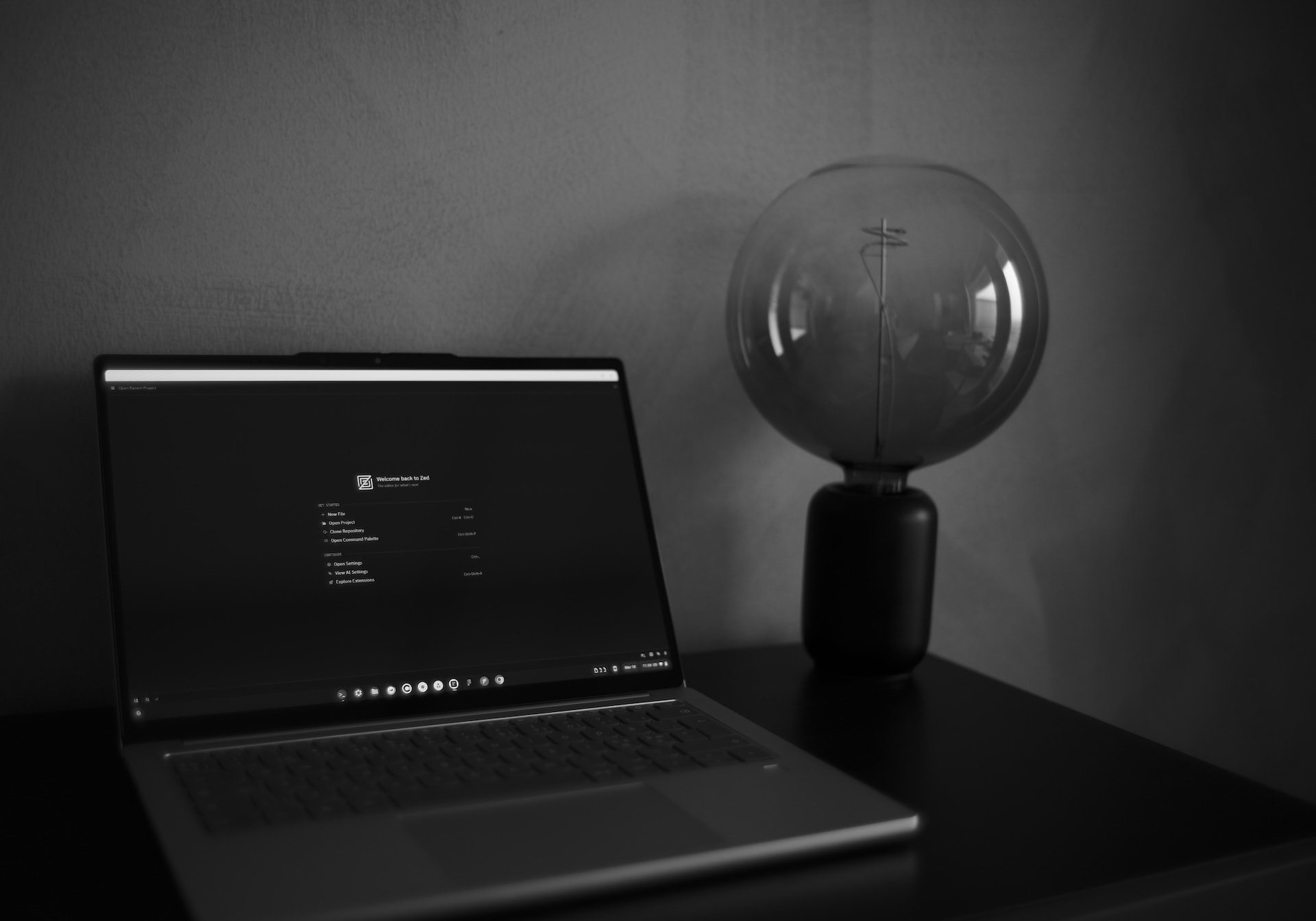
Founder switches from MacBook to Lenovo Chromebook Plus 14 (MediaTek Kompanio Ultra, ARM) and documents a working dev setup with Zed, Linux, and PWAs.
Key Takeaways
Lenovo Chromebook Plus 14 weighs 1.17kg vs MacBook Air M2’s 1.24kg; thickness is 15.7mm, comparable to MacBook Pro at 15.5mm.
MediaTek Kompanio Ultra/Mali Immortalis G925 benchmarks near Apple M2; ARM architecture delivers 10-12 hour battery life.
ChromeOS supports PWAs, Android apps, and Linux side by side; Figma, Photoshop web, and Onshape cover the author’s design workflow.
Zed on Linux/ARM became viable February 25, 2026 (v0.225.9) after switching to wgpu graphics backend; setup takes under 5 minutes.
Signal for Linux does not support ARM as of March 2026; author expects workaround via Signal Android app linking.
Hacker News Comment Review
Commenters broadly dismissed the switch as motivated by UI aesthetics (Liquid Glass) rather than real workflow pain, calling the result a “tablet with keyboard” suited only to light web-based work.
Pushback on claimed software parity was sharp: Spotify web app is feature-limited, Photoshop web covers only AI features, and the post glosses over these gaps.
A hardware defect was flagged: the 3.5mm headphone jack on this exact model produces static, tied to a 6-year-old open ChromeOS bug (issuetracker.google.com/issues/172339479).
Notable Comments
@Marsymars: Owns this exact laptop; reports the headphone jack is unusable due to static, linking a 6-year-old unresolved ChromeOS issue.
@notme43: Runs Gentoo on a ThinkPad professionally and argues reliability for client-facing work disqualifies tinkering setups, Chromebook included.