Bitter Lessons from the ISSpresso
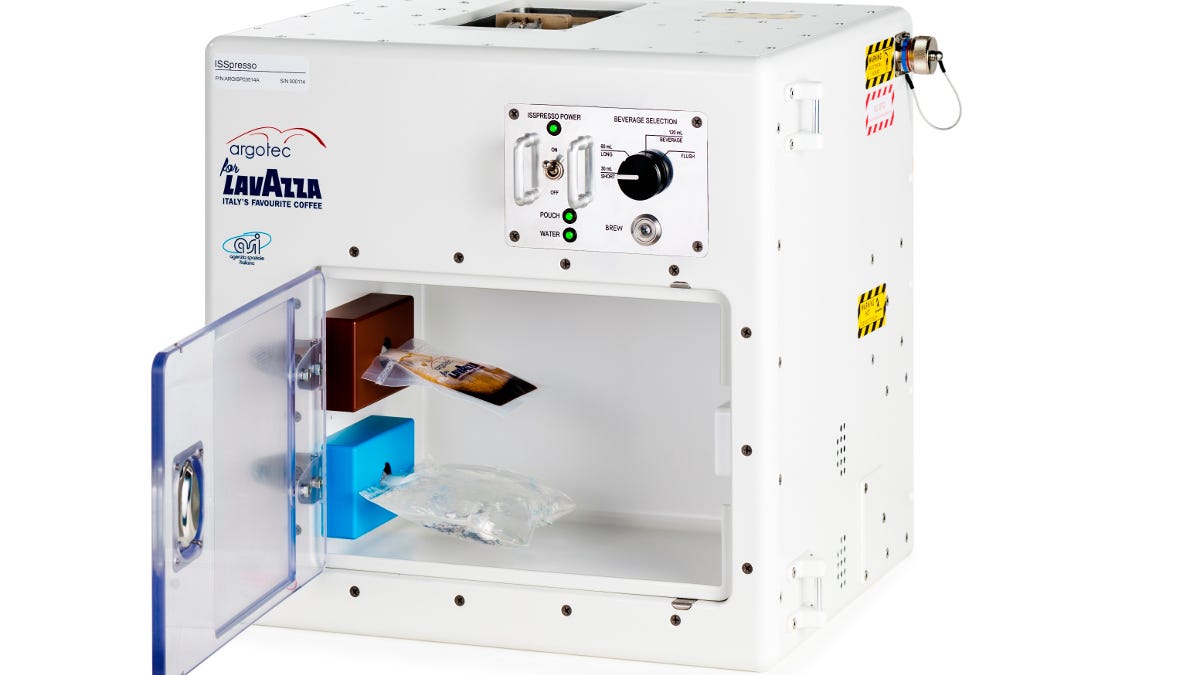
The ISSpresso cost millions and weighed 20kg because launch costs were never the problem—certification, interface compliance, and failure-mode documentation are what make space hardware expensive.
What Matters
- A $150, 3.5kg Lavazza espresso maker became a 20kg oven-sized box costing likely single-digit millions on the ISS.
- NASA’s Safety Review Process requires hazard reports for every conceivable failure mode, certified fixes, and g-force analysis for the truck ride to Kennedy.
- The sharp capsule-puncturing pin required a special safety waiver; shattered plastic that inconveniences you on Earth is an acute inhalation hazard in microgravity.
- Even cutting regulatory overhead 75%, a device like the ISSpresso would still cost hundreds of thousands and be built like a tank.
- Cheap Starship launches don’t solve equipment cost: billions go to flight qualification, not the ride up.
- Mars missions compound this—hardware must survive launch, 6-month dormancy, EDL, 17 months of partial gravity and dust, possibly 2+ years pre-positioned before crew arrives.
- [HN: @pavel_lishin] NASA’s Pressurized Payloads Interface Requirements doc contains detailed diagrams worth examining for anyone designing ISS-compatible hardware.