A Turkish novelist recounts dismissing Leylâ Erbil’s experimental autofiction in her 20s, then discovering its political and historical depth decades later.
Key Takeaways
Erbil invented “Leylâ signs” – triplet commas and rare capitals – as a syntactic tool to force readers to pause, a deliberate rebellion against Turkish punctuation norms.
Her 2011 novel What Remains layers personal trauma alongside Armenian genocide, Dersim Kurdish massacres, and 1955 Istanbul pogroms into a single stream-of-consciousness voice.
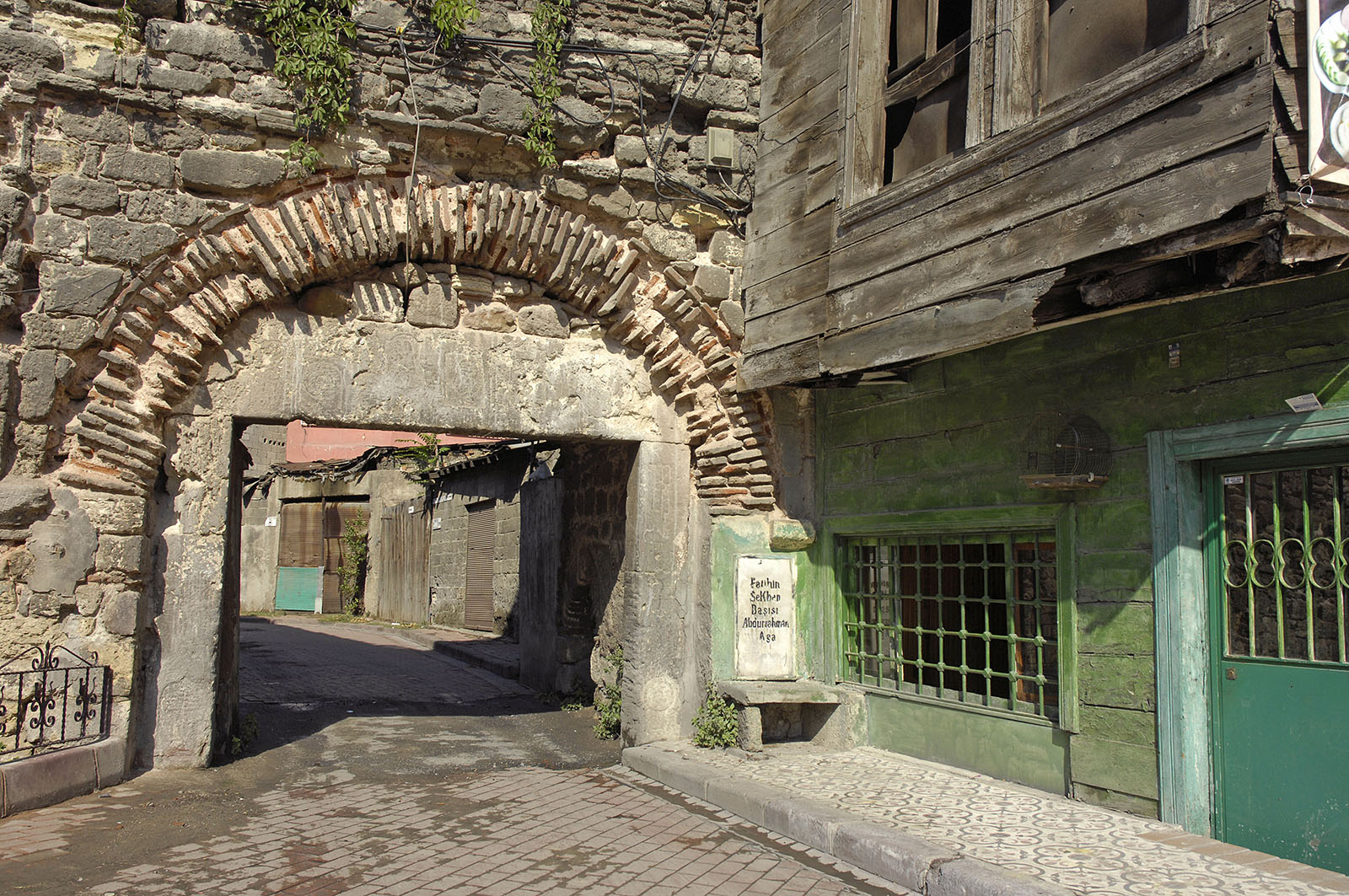
Erbil’s autofiction expands outward: personal memory becomes political history, using Istanbul’s stones, gates, and neighborhoods as archaeological strata of erasure.
The author’s reassessment came while researching Turkish literary heterodoxy in 2020 – Erbil’s “self-indulgence” reread as a political act, not narcissism.
A Strange Woman (1971) is identified as the masterpiece of Turkish autofiction; Erbil remained outside prize culture by choice, using the same anti-awards epigraph in every book.