The most important question nobody's asking about AI.
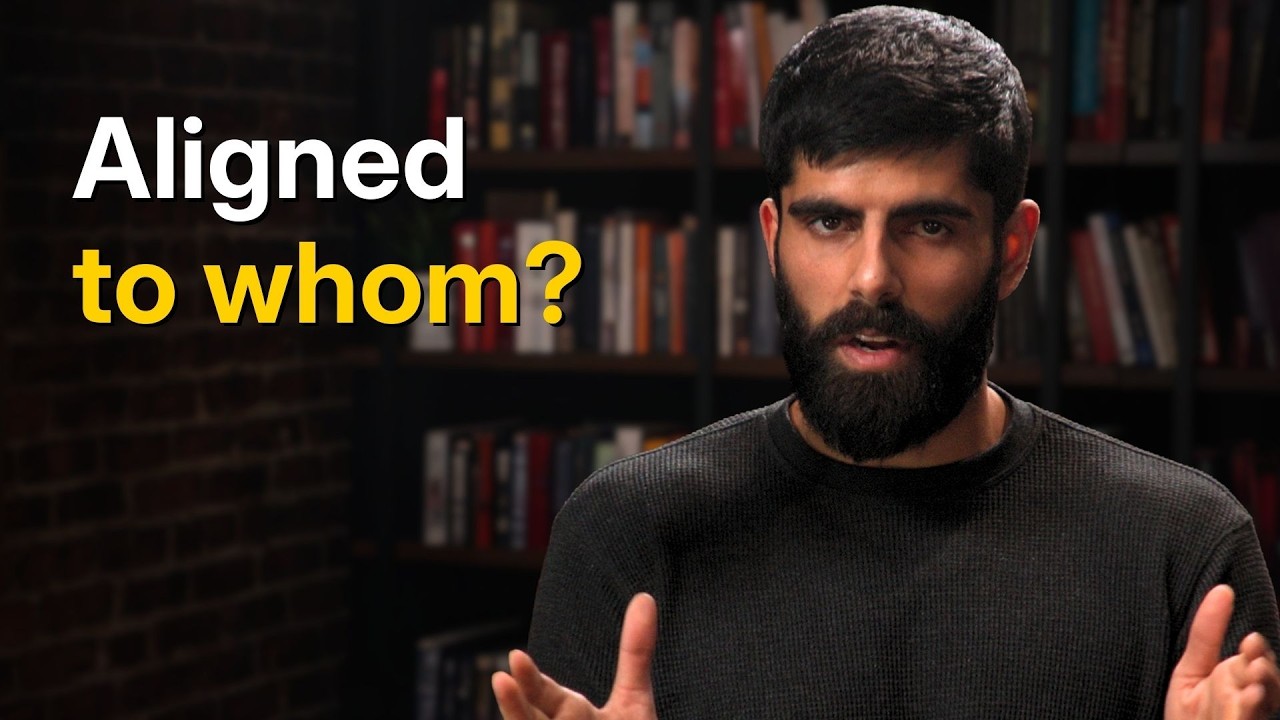
Dwarkesh Patel argues AI structurally enables authoritarian mass surveillance regardless of corporate red lines, and that the DoD-Anthropic fight previews the highest-stakes negotiations in history.
- Processing every one of America’s 100M CCTV cameras costs ~$30B today; at 10x annual cost drops, it costs less than remodeling the White House by 2030.
- The DoD used a 2018 anti-Huawei law and a 1950s Korean War statute to threaten Anthropic — no AI-specific law needed.
- Prediction markets give a 74% chance the supply chain restriction against Anthropic gets reversed as of recording.
- Even if Anthropic, Google, and OpenAI all refuse, open-source models will match current frontier capability by 2027-2028, making corporate red lines structurally ineffective.
- The NSA ran bulk phone-record collection for years under a secret court order citing the 2001 Patriot Act — taking Pentagon assurances about lawful use at face value is naive.
- The core unanswered alignment question: to whom should AI be aligned — the model company, the end user, the law, or its own moral judgment?
- Patel rejects the nuclear weapons analogy for AI; argues AI resembles industrialization (general-purpose), where the historical response was banning specific destructive end uses, not government takeover.
- Anthropic’s push for broad AI regulation is self-defeating: vague terms like ‘autonomy risk’ hand future authoritarian governments a purpose-built tool to coerce AI labs.
2026-03-11 · Watch on YouTube