Benchmark vs a16z: Why Stage Specific Firms Win
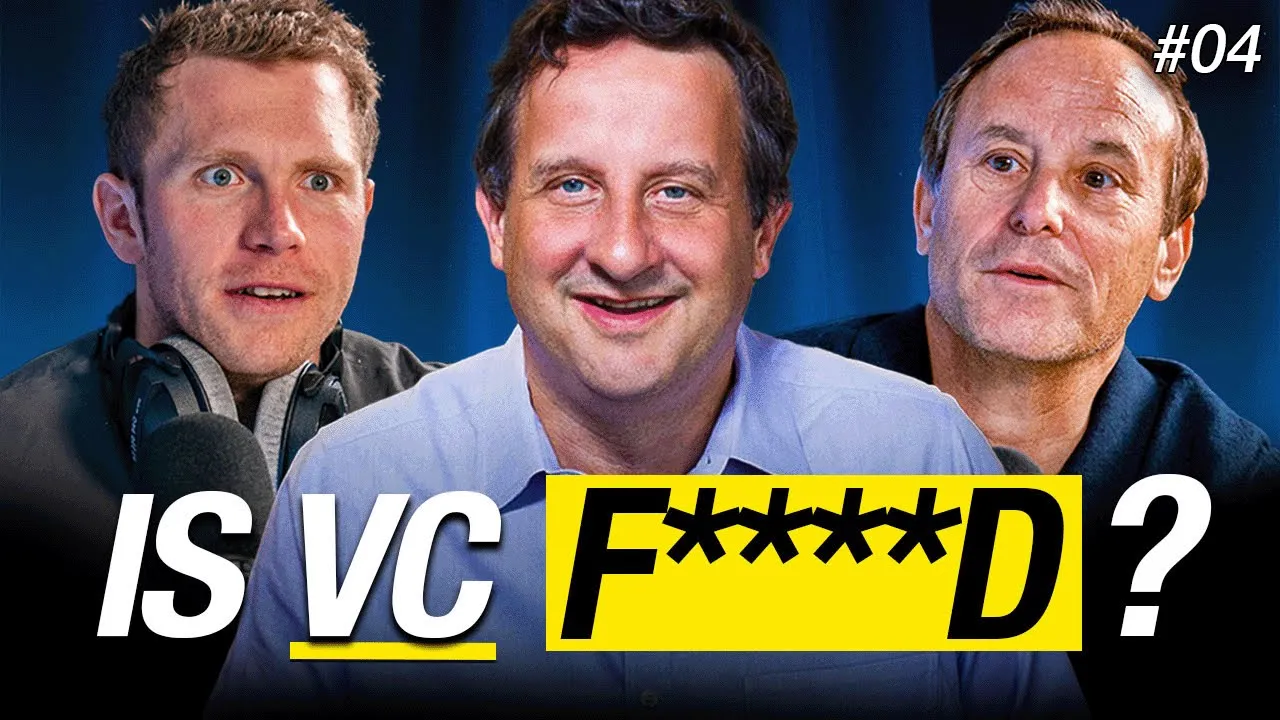
Watch on YouTube ↗ Summary based on the YouTube transcript and episode description. Prompt input used 79979 of 84784 transcript characters.
Rory O’Driscoll and Jason Lemkin debate mega-fund vs. focused-fund returns using Benchmark’s 10% Series A hit rate vs. a16z’s 2% as the crux.
- Benchmark did 63 Series A’s with a 10% hit rate; a16z did 454 Series A’s with a 2% hit rate — focus funds win on quality, mega-funds win on absolute count.
- Windsurf acquired by OpenAI for $3B; O’Driscoll says it was the right call for OpenAI at ~1% of market cap to own a top developer use case.
- Mega-funds treat seed and Series A as loss leaders — milk at the grocery store — to lock in Series C/D upside.
- O’Driscoll argues mid-tier firms face a 3-5 year pain window as mega-funds with $7-8B can option-value any deal up and down the stack.
- Decagon raised at ~100x ARR; O’Driscoll and Lemkin debate whether AI revenue is durable enough to justify it, with Lemkin warning of maiming not killing incumbents.
- HubSpot is now shipping more features than it can push to production — Lemkin cites this as evidence of AI-driven instability across even the most stable SaaS businesses.
- GenAI customer service resolution rates can jump from 30-35% to 60-70%, making it one of the clearest ROI cases in AI.
- Coppelman’s venture arrogance score analysis shows no firm has historically achieved the market share required to make a $5-10B fund model work on Series A alone.
2025-05-08 · Watch on YouTube