The Future Of Brain-Computer Interfaces
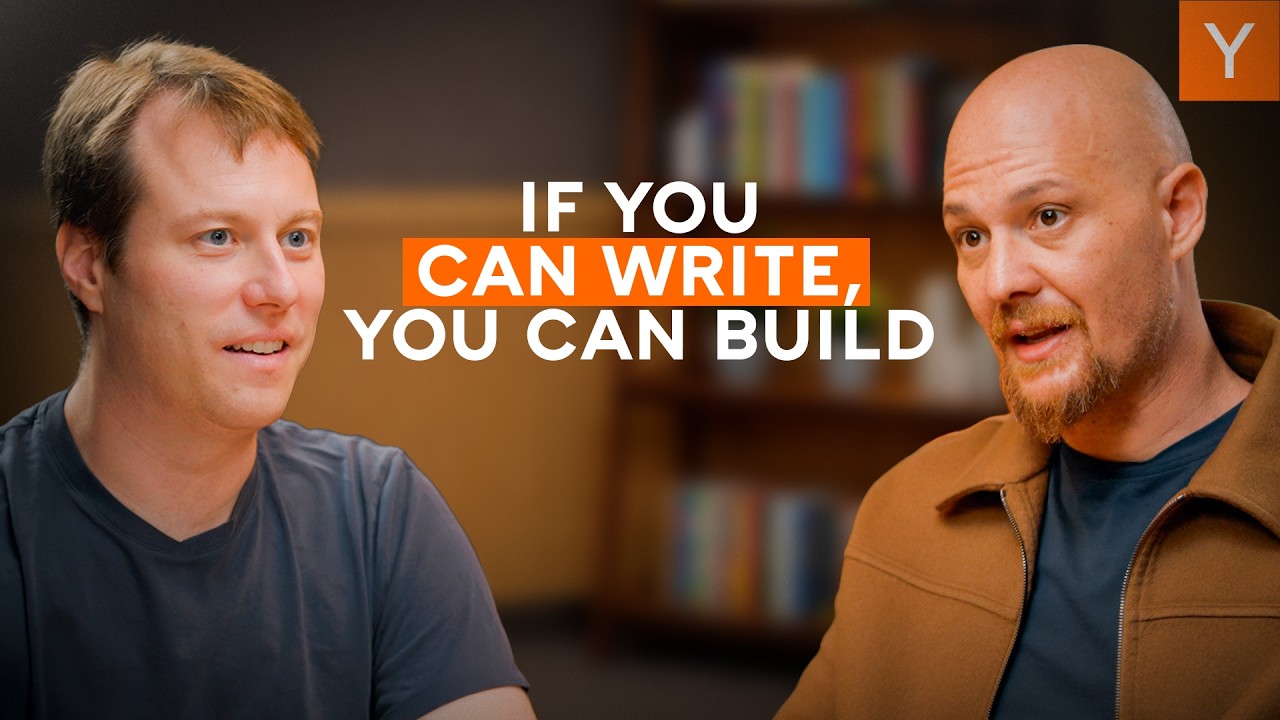
Max Hodak (Science founder, Neuralink co-founder) explains how Science achieved the first coherent form vision restoration in blind patients and why BCI is a longevity story, not just an AI-merger story.
- Science’s 2mm × 2mm retinal implant, published in NEJM, restored coherent form vision in 40+ patients across 17 European trial sites — a first in the field.
- Critical technical distinction: stimulating bipolar cells (100M, pre-retinal compression) rather than ganglion cells (1.5M, post-compression) is why Science produces images while Second Sight produced only flashes.
- Drug discovery vs. neural engineering framing: GLP-1-class breakthroughs are rare; Science restored full eye-chart reading in patients blind for a decade where no drug has shown equivalent effect.
- Rods-and-cones blindness affects 200M people globally; Science’s device is cause-agnostic, covering macular degeneration, retinitis pigmentosa, and diabetic retinopathy with one platform.
- Sam Altman brokered Max Hodak’s introduction to Elon in 2016; Neuralink’s founding team largely came from Duke’s primate BCI lab; Elon’s core motivation was AI leaving humanity behind.
- Biohybrid neural interface seeds hypoimmunogenic stem-cell-derived neurons onto an implant that engrafts onto the brain surface, forming biological connections without inserting wires or patient-specific cell manufacturing.
- Brain representations are latent spaces; AI models trained on images and language develop internal representations that closely resemble neural ones — neuroscience now learns more from AI than the reverse.
- Hodak believes people alive today may reach age 1,000; BCI’s transformative potential is even less priced in than AI’s, which itself is still widely underestimated.
2026-03-09 · Watch on YouTube